Administration seeks to alter federal climate assessment scenarios
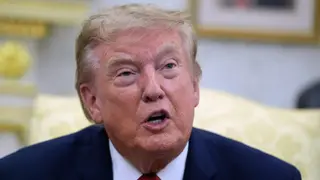
The Trump administration proposed changes to the 2023 National Climate Assessment, arguing that its worst-case scenarios are not plausible and should not guide federal decisions. The proposal instructs agencies to avoid treating high-emission scenarios as baseline. Critics say the move politicizes climate science.
The proposed amendment targets the high-emission scenarios used in the Fifth National Climate Assessment, which the administration argues should not frame "expected, likely, central, or business-as-usual" conditions for federal decisions. The report itself was removed from government websites last year, though former NOAA employees republished it independently at climate.us. Matthew Wielicki, who now directs the U.S. Global Change Research Program and has been described as a climate science critic, defended the change, saying many impact statements in the report rely on scenarios he considers implausible.
The administration previously dismissed scientists working on the next assessment iteration. Critics note the proposal selectively targets only the highest-emission scenarios while leaving lower-end ones untouched, despite scientists having also retired their best-case scenario. Carlos Martinez of the Union of Concerned Scientists cited methane feedback loops from permafrost and potentially higher climate sensitivity as reasons high-end warming projections remain relevant.
This proposal could reshape how federal agencies weigh climate risks in infrastructure, disaster preparedness, and regulatory decisions. If high-emission scenarios are deprioritized, projections of extreme heat, sea-level rise, and agricultural disruption may appear less severe, potentially affecting funding priorities and safety standards. Communities already facing climate impacts may see federal responses calibrated to more moderate assumptions. Conversely, supporters argue the change aligns federal planning with updated scientific consensus. The dispute highlights how administrative processes can influence the practical application of climate science, with consequences for public health, economic planning, and environmental regulation.