Court delays mail-in voting rule as midterms near
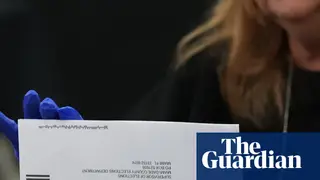
A federal judge has issued a two-week stay on the enforcement of a presidential directive that would restrict mail-in voting, arguing that states cannot feasibly adapt their systems before the upcoming elections. This marks the second time the order has been blocked, following a Supreme Court decision that reversed an earlier injunction. The legal dispute continues as election officials warn that nearly a third of voters rely on postal ballots.
Judge Indira Talwani's latest ruling pauses enforcement for two weeks, with a hearing scheduled for September 3. The case follows a Supreme Court decision that reversed her earlier injunction, determining the original lawsuits were filed prematurely before the administration issued formal implementation rules. Plaintiffs have since refiled their challenges.
The executive order, issued in March, marks Trump's second election-related directive since returning to office. The Brookings Institution reported mail voting fraud occurs in roughly four cases per ten million ballots cast. Election officials warn that nearly a third of American voters rely on postal ballots, and states lack both time and funding to redesign ballots, update election management systems, and train officials before the midterms.
This legal back-and-forth could create significant uncertainty for election administrators and voters as midterms approach. If the order ultimately takes effect, millions of mail-in voters may face new requirements or delayed ballots, potentially affecting turnout and trust in election results. The dispute also highlights ongoing tensions between presidential authority and constitutional provisions granting states control over election procedures, which could shape voting access debates well beyond this cycle.