Global implications of Meta's $18bn settlement with US states
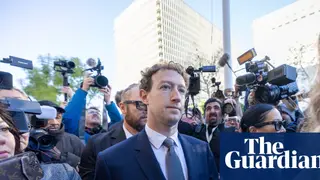
Meta agreed to pay $18bn and alter platform features to settle a lawsuit from 29 US states over youth addiction. Meanwhile, separate legal cases against the company are pending in Kenya and the Netherlands, including one alleging Facebook's algorithm promoted violence in Ethiopia. The US settlement could encourage other governments to demand similar changes.
The settlement resolves claims brought by 29 US states alleging Meta engineered addictive features targeting young users. The $18bn figure stands well below the $200bn originally sought by plaintiffs, and far beneath the $1.4tn exposure Meta itself flagged in court filings. Shares rose following the announcement, and Zuckerberg avoided testifying.
Separate litigation continues abroad. Meareg's Kenyan case, filed in 2022, alleges Facebook's algorithm amplified calls for his father's killing during Ethiopia's civil war. A Dutch case also remains pending. The US deal includes concessions—default two-hour daily limits for under-18s and nighttime access blocks—that other governments may now seek to replicate.
This settlement may signal a shift in how governments approach tech accountability, potentially emboldening regulators worldwide to demand similar algorithmic transparency and youth protections. However, its impact could remain uneven: wealthy nations with regulatory leverage may secure concessions, while cases from conflict-affected regions, like Ethiopia, may continue facing procedural delays. The deal's focus on US users could also raise questions about whether platform safety standards will vary by jurisdiction, affecting billions of international users differently.