European Power Interconnectors Gain Strategic Importance for Resilience
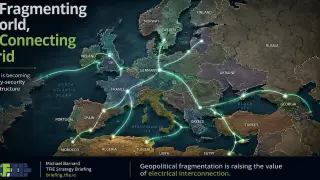
Cross-border electricity links are now valued for enhancing energy security and resilience, beyond their traditional roles in markets and renewable integration. A recent inventory lists about 60 prospective international high-voltage direct current projects, with Europe and its neighbors dominating the pipeline. The Baltic-German PowerLink exemplifies how countries are pursuing more western connections rather than retreating toward autarky, even amid geopolitical tensions.
The RTE International inventory from July 2026 lists roughly 60 prospective cross-national high-voltage direct current projects, with Europe and neighboring regions accounting for most of them. These links are being pursued even as infrastructure security concerns have intensified, particularly after Baltic states separated from the Russian electricity system. The Baltic-German PowerLink remains on track for EU Project of Common Interest status.
Interconnectors differ fundamentally from fuel pipelines because electricity can flow in either direction across multiple linked systems. This allows countries to draw on diverse generation sources—hydro, wind, solar, nuclear, and storage—across different jurisdictions without sacrificing domestic capacity. Policy bodies including ACER and Britain's Clean Flexibility Roadmap now frame interconnection as part of broader security-of-supply portfolios alongside storage and demand flexibility.
This shift could reshape how European households and businesses experience energy reliability, as stronger cross-border links may reduce exposure to single-supplier disruptions and price spikes. Communities in Baltic states and other border regions could see improved grid stability and potentially lower costs through shared renewable resources. However, dependence on distant infrastructure also introduces new vulnerabilities, and the benefits may distribute unevenly across countries depending on their existing generation mix and regulatory frameworks.