Fraudsters exploit contactless donation terminals to inflate charges; experts offer safeguards
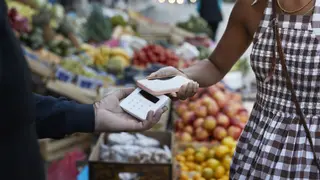
Street donation scams are on the rise as fraudsters manipulate tap-to-pay devices to silently increase the amount charged. Victims may approve a $20 donation only to be billed $2,000, eroding trust in legitimate charities. Consumers are advised to verify the payment amount on the screen and confirm the charity's authenticity before completing a transaction.
The scam exploits the speed and convenience of contactless payments, where donors often tap without scrutinizing the terminal screen. Experts note that fraudsters are shifting from hacking technology to manipulating human behavior around trusted payment methods, making verification of the displayed amount essential before approval.
Recovering funds after such a scam proves difficult because the donor technically authorized the transaction. While credit card issuers may allow charge disputes, instant payment methods offer fewer protections. Industry data suggests younger donors, particularly millennials and Gen Z, value charitable giving for its sense of connection but increasingly demand transparency and verification from organizations before committing their money.
This story could further erode public confidence in legitimate street fundraising, potentially reducing donations to worthy causes as consumers grow wary of unsolicited approaches. Younger donors, who already prioritize verified giving, may shift toward online platforms with clearer transaction records. The scam could also accelerate adoption of payment confirmation features or prompt regulatory scrutiny of contactless terminal security, affecting how charities and vendors deploy tap-to-pay technology in public spaces.