Rebuilding lives: Inside Juba's rehabilitation centre for war survivors
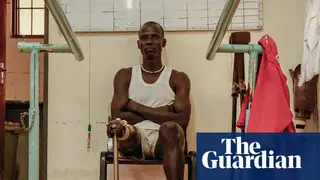
A photo essay by Kieran Seager documents the work of a rehabilitation centre in Juba, South Sudan, where civilians injured by conflict, landmines, and disease receive physiotherapy and prosthetic limbs. The centre provides long-term care, with some patients staying for months to relearn movement. Former patients, such as Andreana Denya, who lost a leg to a landmine, now work at the clinic.
The centre's workshop sustains a steady output of mobility aids, producing 253 prosthetic devices, 129 orthoses, and 1,083 walking aids in just the first half of 2026. Materials are recycled wherever possible, with old limbs and offcuts repurposed into crutches for incoming patients. The facility also houses dormitories, reflecting the reality that many patients travel considerable distances due to South Sudan's sparse health infrastructure.
Patients' timelines reveal the long shadow of conflict. Andreana Denya waited nearly a decade after her 1988 landmine injury before receiving her first prosthetic limb. John Biliu, shot in the late 1980s, has worn through multiple replacement legs since. The centre's work extends beyond physical care, as former patients like Denya and Susan Ide now staff the clinic's kitchens, demonstrating rehabilitation's role in restoring livelihoods.
This rehabilitation work may carry significance beyond individual recovery, as it addresses a population often overlooked in post-conflict rebuilding. For patients who are sole providers, like John Biliu with five children, restored mobility could mean the difference between household survival and destitution. The centre's employment of former patients may also model a sustainable approach, showing how disability services can build local capacity rather than depend indefinitely on external aid.