Joining a virtual power plant: What to know before you enroll
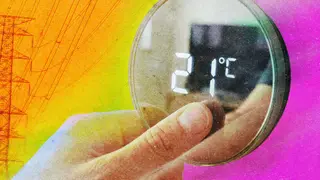
Utilities are aggregating home devices like smart thermostats, EV chargers, and batteries into virtual power plants, which they can remotely adjust to cut electricity use during peak times. Participants typically receive bill discounts and sometimes signing bonuses, with potential annual savings ranging from tens to hundreds of dollars depending on the device. While hundreds of programs already operate in the US, experts caution that poorly designed programs may misjudge when participants need power, so it's wise to review terms carefully.
The scale of these programs is already substantial, with more than 500 operating across the US as of 2023 and roughly 4 million households with smart thermostats enrolled by last year. Major technology companies have begun investing in this infrastructure, signaling continued growth. The financial incentives vary significantly by device type, with smart thermostats typically offering modest annual savings while home batteries and EV chargers can produce substantially larger returns.
Experts caution that program quality varies considerably. A poorly designed VPP may compensate participants for reducing electricity they never intended to use, which could shift costs onto nonparticipants. However, well-executed programs help utilities avoid expensive grid upgrades and emergency conservation measures. Battery-to-grid programs, which actively send stored energy back to the grid, represent an emerging category with potentially greater consumer benefits.
Virtual power plants could reshape how households interact with their energy providers, turning everyday devices into grid-management tools. Participants may benefit from lower bills, but the trade-off involves surrendering some control over when their appliances draw power. If programs are poorly designed, nonparticipants could face higher costs, creating equity concerns. The technology's success may ultimately depend on whether utilities accurately predict consumer behavior and whether the savings justify the loss of autonomy for millions of households.