Nepal's flood survivors confront immense hardship and a lengthy recovery
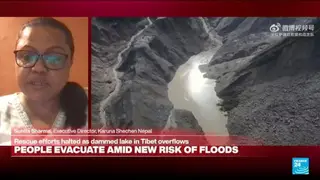
A humanitarian official says Nepal's flash flood survivors face severe challenges, including finding missing people and securing water, food, shelter, and medicine. The scale of destruction means rebuilding communities and confidence could take years. Preparedness must be improved despite Nepal's experience with natural disasters.
The disaster has left more than 1,300 people missing, with rescue teams still scouring affected areas. International aid has begun arriving, and the Red Cross has mobilized, describing entire villages and communities as washed out. The floods struck a region already considered geologically vulnerable, and the death toll may still rise as searches continue.
Nepal has long experience with natural disasters, yet the sheer scale of this event has overwhelmed existing response systems. Humanitarian workers emphasize that beyond immediate relief, long-term psychological and community rebuilding is essential. Survivors face the dual burden of grieving lost family members while struggling to secure basic necessities, with full recovery expected to span years.
This disaster could reshape how Nepal approaches disaster management, potentially shifting focus from reactive relief toward preventive preparedness. Communities in vulnerable mountain regions may face prolonged displacement, straining local economies and social structures. International aid patterns could influence future funding priorities, while survivors' psychological trauma may require sustained mental health support. The event may also prompt neighboring countries to reassess regional disaster coordination, given the cross-border nature of the flooding.