GOP infighting jeopardizes NASA reauthorization and Trump's lunar ambitions
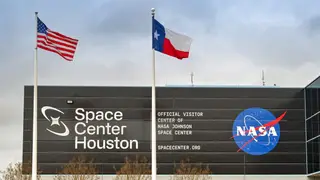
Negotiations between Senate and House Republicans over a NASA reauthorization bill have stalled, potentially delaying President Trump's goal of establishing a moon base by 2030. The disagreement centers on language regarding a lunar south pole base and extending International Space Station operations. Trump is set to visit NASA's Johnson Space Center to promote the Artemis program, but the legislative impasse remains unresolved.
The legislative standoff centers on two key provisions: Senate language supporting a lunar south pole base near Shackleton Crater and an extension of International Space Station operations through 2032. The House’s own February bill omitted both items, and its members note they passed a reauthorization in the previous Congress that the then-Democratic Senate ignored. With the 119th Congress nearing its end, both committees still exchange proposals, but no agreement has emerged. Trump’s Friday visit to Houston, where he will honor the Artemis II crew, underscores the political stakes, as his December executive order set a 2030 deadline for initial moon base elements. The commercial launch push—aiming for 1,000 launches by 2030—adds further urgency, though industry advocates stress that a nine-year authorization gap already hampers planning certainty.
If the impasse persists, NASA’s Artemis program could face funding and scheduling uncertainty, affecting contractors, commercial partners, and the broader space workforce. A delayed reauthorization may also slow private investment in lunar infrastructure, as companies await clear policy signals. The midterm elections could shift House control, potentially resetting negotiations entirely. Society’s stake lies in the pace of space exploration and the economic ripple effects on aerospace communities, though the immediate impact is limited to programmatic delays rather than direct public services.