Proposed U.S. Wildlife Rule Changes Could Weaken Protections for Imperiled Species
The U.S. Fish and Wildlife Service recently announced revisions to how the Endangered Species Act is enforced, including a narrower definition of what constitutes 'harm' to protected species. Former NOAA marine biologist Lynne Barre warns that these changes may reduce safeguards for wildlife and their habitats. The modifications could increase threats to species already at risk of extinction.
The Endangered Species Act has been in force since 1973, aiming to protect imperiled species and the habitats they depend on. The recent Fish and Wildlife Service revisions include a narrower interpretation of "harm," which could affect how habitat destruction is treated under the law.
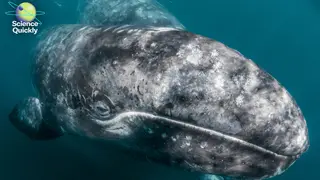
Lynne Barre, who spent 25 years at NOAA, notes that the act's implementation has evolved through lawsuits and court rulings. Success stories exist, such as gray whales, which recovered enough to be removed from the protected list, though other laws also contributed to their recovery.
These changes could reduce safeguards for species already at risk, since habitat loss is a primary threat. A narrower "harm" definition may allow more development in critical areas, potentially affecting conservation efforts, local communities, and industries. The impact may be felt most by species with limited ranges and by the agencies tasked with enforcing protections.