NATO commander urges selective adaptation of Ukraine's tactics
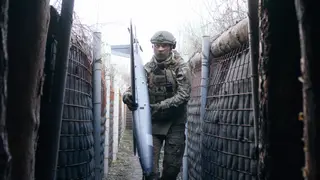
A senior NATO commander overseeing training for Ukrainian forces emphasized the value of their battlefield experience while cautioning against adopting certain desperate measures. He noted that while many lessons are useful, some tactics should not be replicated. The training aims to incorporate effective strategies without copying actions that could be counterproductive.
The statement from the senior NATO commander highlights a nuanced approach to military learning: absorbing proven innovations from Ukraine’s fight while filtering out tactics born of extreme necessity. This reflects a broader challenge for Western militaries, which must balance rapid adaptation with sustainability and legal constraints. Training programs are being reshaped to prioritize transferable skills—like decentralized decision-making and drone integration—without endorsing measures that could erode discipline or escalate risks. The distinction between useful lessons and counterproductive actions underscores the complexity of modernizing forces amid an active, high-intensity conflict.
This story could influence public perception of military aid and training, as it signals that Western allies are carefully curating lessons rather than blindly copying Ukraine’s methods. For policymakers and defense planners, it may reinforce debates about force readiness and ethical boundaries in warfare. Civilians might see it as reassurance that support remains measured, though it also hints at the grim realities of frontline desperation. The impact is likely limited to defense circles and informed observers, but it could shape future alliance doctrine and procurement priorities.