Trump shifts to sanctions as Iran war enters sixth month, downplays timeline
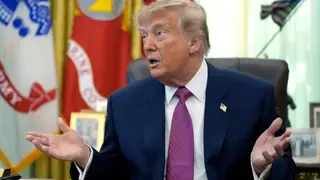
As the U.S.-Israel war against Iran reaches its six-month anniversary, President Trump is pivoting from military action to economic sanctions to pressure Tehran. Trump insists he is not in a hurry to negotiate, despite the conflict costing over $37.5 billion and damaging his popularity. The administration is threatening to punish countries that continue business with Iran, while Trump bristles at comparisons to past Middle East wars.
The administration's pivot to economic coercion follows months of aerial bombardment that significantly depleted U.S. munitions reserves, raising concerns among defense officials about military readiness in other regions. Secondary sanctions now target foreign governments and companies maintaining commercial relationships with Tehran, marking an escalation of financial pressure designed to isolate Iran's economy further.
The financial toll of the conflict is substantial on both sides. American expenditures have surpassed $37.5 billion, while Iranian authorities report $270 billion in combined direct and indirect losses. Commercial traffic through the Strait of Hormuz has collapsed from roughly 130 vessels daily to just 24, reflecting the war's severe disruption of critical global energy shipping lanes.
The prolonged conflict could reshape American political dynamics ahead of November elections, as voters weigh the war's massive cost against Trump's earlier promises to avoid endless Middle East engagements. Businesses with Iranian connections may face significant compliance burdens under expanded sanctions, while global energy markets could remain volatile given reduced Strait of Hormuz traffic. The administration's shift to economic pressure may