Retired general says FEMA's capacity has eroded since Katrina
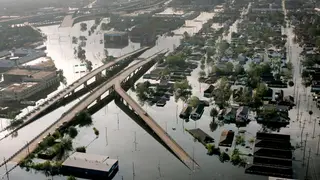
In an opinion piece marking the 21st anniversary of Hurricane Katrina, retired Lt. Gen. Russel Honoré argues that FEMA has regressed from the lessons learned after the 2005 disaster. He contends the agency, now within the Department of Homeland Security, lacks adequate resources to respond effectively. Honoré notes that true disasters by definition overwhelm existing capacity, but he criticizes the current state of federal preparedness.
Honoré, who led the military response to Katrina in 2005, points to the 2026 Guadalupe River flood in Texas as a direct consequence of FEMA’s weakened state. He notes that the agency, under then-Secretary Kristi Noem, required her personal approval for expenditures over $100,000 and failed to act on National Weather Service forecasts. The storm killed 135 people, including children at a summer camp.
The opinion piece also criticizes the recent confirmation of Cameron Hamilton as FEMA administrator, citing the Union of Concerned Scientists’ assessment that he is “unqualified.” Honoré contrasts this with the post-Katrina push to professionalize the agency, which he says has since been undone by budget cuts and political interference within the Department of Homeland Security.
This critique could shape public perception of federal disaster readiness, particularly among residents of hurricane- and flood-prone regions. If FEMA’s capacity is seen as eroded, communities may lose trust in federal support during emergencies, potentially affecting evacuation compliance or state-level preparedness planning. The piece may also fuel broader debate about agency leadership qualifications and the balance of federal versus state responsibility, though its immediate impact likely remains limited to policy circles and advocacy groups.