Muslim candidates gain ground as institutional trust wanes
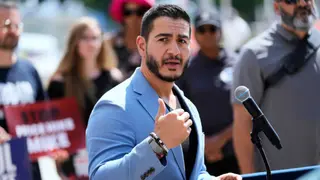
Falling trust in institutions has widened the representation gap, making voters more receptive to outsider candidates, including Muslim Americans. The article cites examples such as Zohran Mamdani's victory and Abdul El-Sayed's Senate run. It argues that tolerance alone does not explain the trend.
The article anchors its argument in polling data: trust in the federal government has fallen from 73% in 1958 to 17% today, while 55% of Americans report worsening finances for the fifth straight year. It also highlights a sharp rise in Muslim American voter registration, from 60% in 2016 to 85% in 2025, credited to groups like CAIR and Engage Action. These figures frame the trend as structural, not incidental.
Beyond the cited examples, the piece positions Muslim candidates within a broader outsider wave that includes Bernie Sanders and Alexandria Ocasio-Cortez. It stresses that representation gaps—not tolerance alone—create openings, and that community-built infrastructure determines who capitalizes on them. The author implies this pattern could persist as long as institutional skepticism remains high.
This trend could reshape electoral dynamics by normalizing outsider candidates across faiths, potentially increasing Muslim American political participation and policy influence. However, the same distrust that opens doors may also amplify polarizing figures, making outcomes uncertain. Voters seeking authenticity may benefit from broader choices, while established parties face pressure to address representation gaps or lose ground to challengers. The long-term effect depends on whether institutions rebuild trust or continue ceding space to insurgents.