Fed chair hints at possible rate hike to fight inflation
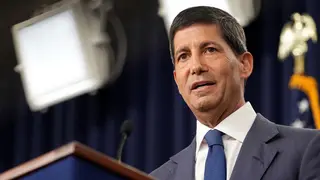
Federal Reserve Chair Kevin Warsh said the central bank may raise interest rates if inflation does not move toward its 2 percent target. In his first Jackson Hole speech, he acknowledged the Fed's responsibility for prolonged elevated inflation. He avoided forward guidance but stressed the need for confidence in price stability.
Warsh’s Jackson Hole remarks mark his first major policy address since assuming the Fed chairmanship, replacing Jerome Powell, who remains on the board. The speech follows a July FOMC meeting where the panel held rates at 3.5–3.75 percent for a fifth consecutive session, with a 9–3 vote. Market expectations shifted sharply afterward, with traders pricing a 57 percent chance of a hike, up from 34 percent the prior day.
The speech also arrives amid bond-market strain, as the 30-year Treasury yield recently touched a 19-year high above 5.3 percent. Treasury Secretary Scott Bessent responded by doubling the government’s long-term debt buyback cap, though the yield eased only briefly. Warsh did not directly address these market conditions, focusing instead on the Fed’s accountability for sustained inflation.
This signal could affect households and businesses through borrowing costs, as a rate hike would raise mortgage, credit card, and loan expenses. It may also influence retirement savings and bond yields, pressuring fixed-income investors. The Fed’s credibility is at stake, and Warsh’s acknowledgment of past policy errors could shape public trust. However, the actual decision remains uncertain, and markets may overreact to rhetoric. The impact will depend on whether inflation data justifies action, with potential ripple effects on employment and consumer spending.