Medical Professionals Confront a Future Where Algorithms Outperform Them
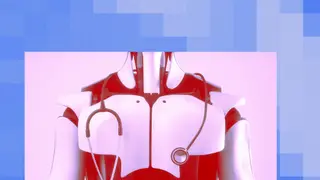
A new JAMA paper by Ezekiel Emanuel and Vinod Khosla argues that autonomous AI will soon surpass human physicians and even doctor-AI teams across five core medical tasks. The authors contend that human involvement can actually reduce AI's effectiveness, urging clinicians to step back. This has sparked unease among doctors who see their traditional roles being challenged.
The paper's authors reviewed medical AI studies published since January 2024, concluding that autonomous systems will likely outperform both solo physicians and doctor-AI teams across five core tasks—history-taking, diagnosis, test selection, treatment prescription, and chronic disease management—by 2030. Emanuel, who once dismissed such claims, changed his position after reading a book by UCSF's Robert Wachter describing a future where AI handles routine care while doctors manage complex cases.
The article notes that coauthor Neal Khosla runs Curai Health, an AI-based treatment company, with conflicts disclosed. John Whyte of the American Medical Association disputes the findings, pointing out that some reviewed studies are simulations rather than blind experiments, and citing a February 2026 Nature article that found different results in real-world settings.
This debate could reshape medical practice and patient expectations. If autonomous AI gains acceptance, physicians may see their authority and roles diminished, while patients could gain faster, cheaper access to care—but may lose the human connection and accountability that come with a doctor's judgment. Medical training, licensing, and liability frameworks would likely need fundamental rethinking. The paper's influence could accelerate AI adoption in healthcare, though resistance from professional organizations may slow implementation and shape how these tools are integrated.