Spain calls for restraint as Ceuta protests over migrant influx turn violent
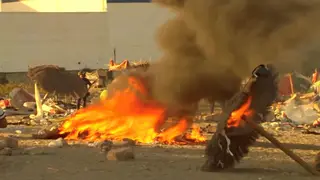
Spain's interior minister has appealed for calm after protests in the North African enclave of Ceuta turned violent, with clashes between residents and police. The unrest follows a mass influx of migrants from Morocco that has left thousands stranded in the territory. Authorities have condemned the violence while acknowledging the complexity of the situation.
The unrest marks a flashpoint in a crisis that began in July when roughly 60,000 migrants entered Ceuta, a territory of just 18.5 square kilometres with a population of 80,000. While most have departed, thousands remain, sleeping on beaches and wandering streets, straining local resources and public patience. Thursday's violence included the burning of migrants' belongings at a beach camp, a soldier injured by thrown stones, and fourteen arrests across separate incidents.
Ceuta and Melilla constitute Europe's only land border with Africa, making them a persistent pressure point for migration. Spain's leftist government faces competing demands: right-wing parties call for mass deportations, while legal requirements mandate individual identification for asylum eligibility, with special protections for unaccompanied minors. The interior minister has accused opposition parties of inflaming tensions rather than addressing the underlying complexity.
This standoff could reshape political dynamics in Spain and across the EU, as migration remains a volatile issue. Ceuta's residents may feel their security concerns are being dismissed, while migrants face an uncertain legal limbo that could fuel further desperation. The incident may also embolden far-right parties across Europe to push stricter border policies, potentially influencing upcoming elections. Conversely, how Spain balances enforcement with humanitarian obligations could set a precedent for how the bloc handles future mass arrivals at its external frontiers.