Rescue efforts in Nepal-Tibet flood zone hampered by terrain and new flood risks
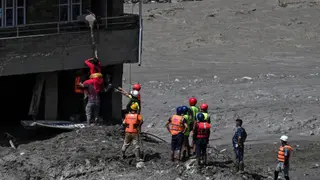
Rescue teams searching for survivors of a devastating flash flood on the Nepal-Tibet border have faced severe obstacles, including a newly formed barrier lake that briefly forced them to halt operations. The disaster has killed more than 500 people, with over a thousand still missing. The remote and rugged Himalayan terrain, along with the threat of additional flooding, complicates the relief effort.
The flood zone sits in one of the most challenging rescue environments on Earth, where steep Himalayan slopes and narrow river valleys limit access for heavy equipment and ground teams. Two debris-formed barrier lakes now hold back millions of cubic meters of water behind unstable dams of loose rock and mud, with glaciologists warning that heavy rains forecast in coming days could cause the dams to breach or overtop, releasing another surge downstream.
Rescue operations have already been interrupted once when one lake overflowed its banks, forcing crews to pause before resuming their search. With more than 1,400 people still unaccounted for and hundreds confirmed dead across Nepal and Tibet, emergency teams face a race against time complicated by the region's extreme geography and the looming threat of additional flooding.
This disaster could strain Nepal's emergency response capacity for weeks or months, as remote communities may remain cut off from aid and medical care while the barrier lakes continue to pose a hazard. The high death toll and large number of missing persons may overwhelm local resources, potentially requiring sustained international assistance. Families in the affected border region could face prolonged displacement, and the ongoing flood risk may delay recovery and reconstruction efforts well beyond the immediate rescue phase.