EPA move would let data centers skip public air permit reviews
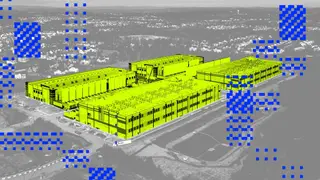
The EPA is moving to scrap a federal rule that requires public notice and comment for air permits at certain industrial sites, a change that would let data center developers proceed without community input. Environmental advocates say this would allow projects to be permitted in secret, with residents only learning about them when construction begins.
The New Source Review permitting process has been a fixture of federal air quality regulation since the 1970s, covering a broad range of industrial operations. The EPA's July announcement would shift responsibility for public notification from the federal government to state and local agencies, which critics fear may choose to skip community outreach entirely. Because air pollution frequently crosses state boundaries, federal oversight has historically been considered necessary to protect residents beyond the immediate area.
The rule change targets facilities classified as "minor" pollution sources, a category the EPA describes as having relatively low emissions. However, with the rapid expansion of AI-driven data centers and the power plants serving them, these permits have become a common point of community opposition. Administrator Lee Zeldin framed the change as reducing bureaucratic burden, while environmental advocates argue it removes a critical transparency safeguard.
This change could significantly reduce community awareness of nearby industrial development, particularly data centers that have faced growing local opposition. Residents may learn of projects only after construction begins, limiting their ability to raise concerns about air quality or environmental impacts. States that choose to forgo public notice could accelerate development but may also erode public trust in permitting processes. The balance between streamlined infrastructure growth and democratic oversight of pollution sources will likely shape how communities experience technological expansion in the coming years.