Red Cross: Nepal's flood crisis demands sustained recovery effort
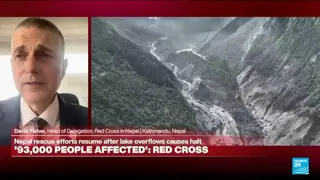
The Red Cross's head of delegation in Nepal, David Fisher, said the full scale of the disaster is still unknown, with many communities inaccessible and tens of thousands affected. He stressed that emergency relief must be paired with long-term planning and funding for rebuilding homes and livelihoods. Fisher also warned that the speed and destructive force of such extreme natural events could become more frequent.
The International Federation of Red Cross reports that Nepal's disaster assessment remains incomplete, with remote communities still cut off from aid workers. Nearly 1,000 people are listed as missing, and rescue teams have pulled flood survivors from a hydropower tunnel. Relief camps now shelter grieving families, while officials monitor a newly formed lake near the Chinese border that could trigger additional flooding.
The region contains hundreds of high-altitude glacial lakes, each capable of releasing enormous water volumes in sudden bursts. Fisher's warning that such extreme events may become more frequent aligns with broader concerns about climate-related instability across the Himalayan range, where settlements and infrastructure face mounting exposure to cascading natural hazards.
This crisis could reshape how international donors approach disaster response in mountainous regions, where recovery timelines extend far beyond initial emergency phases. Communities dependent on agriculture and local livelihoods may face prolonged displacement if rebuilding funds