A look back at the most memorable scenes from the 1991 sci-fi classic
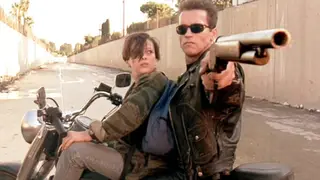
The article lists ten favorite scenes from James Cameron's 1991 film, which is being re-released in theaters for its 35th anniversary. It discusses the film's production history, including its unexpected success and the transformation of Arnold Schwarzenegger's character into a hero. The piece highlights the emotional core of the 'found family' dynamic between the characters.
The film’s production history was marked by legal battles over rights, resolved when Arnold Schwarzenegger persuaded Carolco Pictures to acquire them and hire James Cameron. Cameron wrote the script in roughly six weeks, deliberately shifting the tone from the original’s slasher-like feel to a more emotional story centered on a reprogrammed Terminator as a father figure to John Connor. Linda Hamilton’s intense physical training transformed her into a groundbreaking action heroine, comparable to Sigourney Weaver’s Ripley. Despite predictions of failure, the film grossed $520 million worldwide, though Carolco later went bankrupt in 1995.
The re-release coincides with the fictional date of Judgment Day (August 29) and the film’s 35th anniversary. The article emphasizes the “found family” dynamic among Sarah, John, and the T-800 as the emotional core, alongside Robert Patrick’s T-1000 as a formidable antagonist. The film’s blend of special effects, pacing, and character beats is cited as unmatched by later franchise entries.
This retrospective may reignite public interest in the Terminator franchise and classic sci-fi cinema, potentially boosting theater attendance during the re-release. For longtime fans, it offers nostalgia and a chance to reassess the film’s cultural legacy, particularly its themes of technology, fate, and family. Newer audiences could discover how 1990s action filmmaking shaped modern blockbusters. The article’s focus on production struggles and character dynamics may also encourage discussions about sequel quality and the evolution of action heroines, influencing how future films are evaluated.