Glacier collapse triggers deadly flash floods in Nepal, leaving hundreds dead and missing
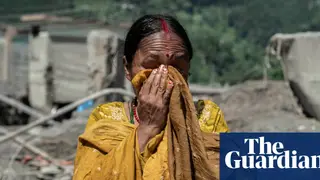
A glacier collapse in the Himalayas sent a torrent of water, mud, and debris down the Bhote Koshi River, destroying villages and infrastructure. At least 579 people have died and over 1,900 are missing, with survivors gathered in army camps. Rescue efforts are hampered by the remote and inaccessible terrain.
The glacier collapse struck Wednesday morning in Langtang National Park, with the initial impact so powerful that experts mistook it for an earthquake. The resulting surge of water, rock, and ice tore through the Bhote Koshi River corridor, wiping out villages, power stations, roads, and bridges across the Rasuwa district. Many affected settlements are reachable only by helicopter, forcing rescue coordination from the army barracks in Bidur, where helicopters have been ferrying survivors and delivering food and clean water to mountain communities.
The disaster's full scope remains unclear. Ground rescue efforts were suspended Friday over concerns about further collapse, and the situation in Tibet remains difficult to assess due to strict Chinese media controls, with authorities there reporting only five deaths despite the region being at the disaster's center. Survivors like 61-year-old Sangke Dolma Tamang describe losing everything—her husband was swept away as she tried to grab him, and her home and village were obliterated.
This disaster could reshape how Himalayan communities and governments assess glacier-related risks, as warming temperatures make such collapses more probable. The heavy toll on remote, infrastructure-poor regions may strain Nepal's emergency response capacity and highlight gaps in early-warning systems for mountain settlements. Families who lost homes and livelihoods face prolonged displacement, and the unclear situation in Tibet could complicate cross-border coordination. The event may also intensify regional discussions about climate adaptation funding and disaster preparedness in vulnerable mountain nations.