Historic Bayeux tapestry loan to British Museum marks Anglo-French rapprochement
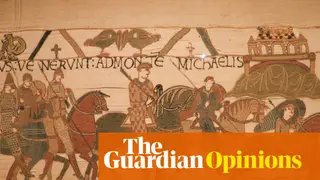
The Bayeux tapestry will be loaned to the British Museum for the first time in nearly 1,000 years, in exchange for UK treasures from Sutton Hoo. Ticket sales for the exhibition, opening 10 September, broke single-day records with online queues of 80,000. The loan is seen as a symbol of post-Brexit cooperation between Britain and France.
The tapestry is technically an embroidery of wool on linen, stretching 70 metres and depicting 623 men, 190 horses, 35 dogs, and just three women. Its journey to London required years of negotiation involving a British king, a French president, and three prime ministers, with the move made possible only because the Bayeux Museum needed renovations. Two earlier attempts, in 1953 and 1966, had failed.
The loan has stirred strong reactions. David Hockney called the transferral "madness," and an online petition against it gathered nearly 80,000 signatures. Historically, Napoleon and the Nazis both recognised the tapestry's propaganda value, while Nigel Farage wore a Bayeux-themed tie in 2014 as a political statement. The tapestry returns to France next year for the 1,000th anniversary of William the Conqueror's birth.
This cultural exchange could reshape public perceptions of Anglo-French relations, offering a tangible symbol of cooperation after years of post-Brexit tension. The record-breaking ticket demand suggests deep public appetite for shared heritage, which may foster warmer attitudes toward France among British visitors. The exhibition's timing, with war in Europe, could also prompt reflection on conflict's human cost. However, its impact may be limited to cultural spheres, with broader political divisions likely to persist.