TSA moves to privatize more airport security screening
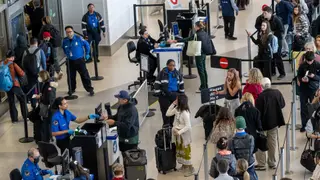
The TSA, under President Trump, is working to expand the use of private security contractors at airport checkpoints. Currently, 20 US airports already operate without federal TSA screeners. The proposal would shift more airports to private screening services.
The Transportation Security Administration is reportedly moving to broaden its use of private contractors for airport checkpoint screening, a shift that would extend beyond the two dozen airports that already operate under this model. Under the current system, those airports use private firms while still following federal security standards and oversight.
This effort aligns with the Trump administration’s broader push to reduce the federal workforce and increase private-sector involvement in government services. Proponents argue private screening can improve efficiency and customer service, while critics have long questioned consistency in training and security outcomes. The proposal would require careful rulemaking and airport-by-airport decisions, with no immediate timeline specified.
This change could affect millions of air travelers, as private screeners may alter checkpoint procedures, hiring practices, and wait times. Airport operators might gain more flexibility, but workers could face different employers, pay, or union protections. Security effectiveness may vary if training standards are not uniformly enforced. The impact would likely be felt most directly by passengers and TSA employees at airports that opt into the program, though broader confidence in aviation security could also shift.