Russian Publishers in Exile Defy Kremlin Censorship by Smuggling Books Home
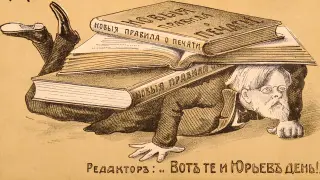
The article reports that Russian publishers operating in exile are producing and smuggling banned books into Russia to help readers bypass state censorship. It draws on the example of Alexander Gavrilov, who was inspired by the legacy of Joseph Brodsky, a poet whose work was smuggled into the Soviet Union. The piece highlights the ongoing struggle for free expression in Russia amid the Ukraine war.
Gavrilov's Vidim Books, launched in 2023, follows a model pioneered during the Soviet era when dissident literature circulated through underground channels. Brodsky's conviction for "social parasitism" and subsequent exile made him a symbol of suppressed artistic expression, with his poetry reaching Soviet readers only through foreign publication and covert distribution. The current wave of exile publishers mirrors this historical pattern, operating from European bases and coordinating with book fairs like the one at Berlin's Bebelplatz—a site chosen deliberately for its resonance with censorship history, where Nazi book burnings occurred in 1933. These ventures have multiplied rapidly since 2022, creating a parallel literary infrastructure outside Russia's state-controlled publishing system.
This underground publishing movement could significantly shape Russian intellectual life by preserving independent voices that might otherwise be silenced entirely. For readers inside Russia, smuggled books may serve as a vital counterweight to state-sanctioned narratives, potentially sustaining critical thinking among educated populations. The exile publishers' efforts may also influence how Russian literature evolves abroad, creating a diaspora literary canon that could eventually reintegrate into the domestic cultural landscape should political conditions change.