Country star clarifies moderate stance after conservative backlash
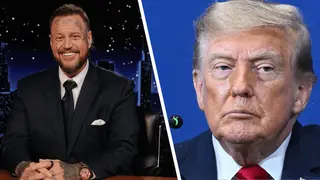
During his last stint hosting 'Jimmy Kimmel Live!,' country artist Jelly Roll responded to attacks from President Trump's supporters by describing himself as politically moderate, saying he doesn't support every administration move. He acknowledged leaning left on certain issues while identifying with traditional rural values. His comments came after he made jokes about Trump's weight, prompting a Florida congressman to say he was unwelcome in his district.
Jelly Roll, born Jason DeFord, built his public image around advocacy for fentanyl awareness, testifying before Congress in 2025. His felony record, including a 2005 robbery and drug charges, was pardoned by Tennessee’s Republican governor in December 2025, restoring his voting rights. The singer’s weeklong “Kimmel” stint included weight-related jokes about Trump, which drew sharp rebukes from GOP figures and online supporters. He framed his subsequent clarification as a defense of independent thinking, citing his rural identity—Christian, farmer, bow hunter—to counter accusations of being a liberal plant.
His remarks also touched on his recent 300-pound weight loss, which he used as a comedic contrast to Trump’s physique. The backlash included a Florida congressman declaring him unwelcome in that district, though Jelly Roll responded with humor before turning serious about civic participation. He noted he had avoided party affiliation until gaining voting rights, and now plans to vote in November, emphasizing human dignity over partisanship.
This episode could deepen the cultural divide over celebrity political expression, especially within country music, where fans often expect traditional conservative alignment. Jelly Roll’s moderate framing may resonate with audiences tired of partisan extremes, but the heated reaction from Trump supporters suggests that even nuanced stances risk alienating core fan bases. The incident may also highlight how restored voting rights for formerly incarcerated individuals can inject new, unpredictable voices into political discourse, potentially influencing how artists navigate public advocacy.