Asia Rethinks Energy Security After Hormuz Disruption
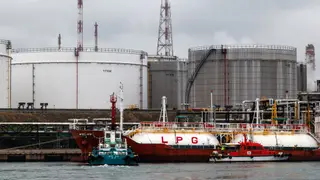
The Iran war exposed how easily the Strait of Hormuz, a vital oil and gas route, could be blocked, prompting Asian nations to impose export bans, cut import duties, and ration fuel. Despite initial fears of severe shortages, increased production and large stockpiles softened the impact, but the region now faces a prolonged threat. Governments are actively diversifying their energy sources to reduce reliance on this narrow waterway.
The strait carries roughly a fifth of global oil trade, with over 80 percent destined for Asian markets. Japan, which imports all its energy, sourced 90 percent of its crude and 11 percent of its LNG from the Middle East before the conflict. The war demonstrated that inexpensive drones could threaten multibillion-dollar energy infrastructure, shifting the industry from just-in-time to just-in-case supply chains.
In response, Japanese firm Inpex expanded LNG investment in Australia's Northern Territory, while producers like Woodside and Chevron benefit from reduced Middle East concentration. Saudi Arabia is investing in ports on its western coast and the Gulf of Oman, plus pipelines like the East-West line, to bypass the strait entirely.
The disruption could reshape how Asian economies secure energy, potentially raising costs as governments prioritize resilience over efficiency. Consumers may face higher fuel prices as diversification and infrastructure investments are passed down. However, reduced reliance on Hormuz could stabilize long-term supplies, benefiting industries and households that depend on consistent energy flows.