Drone-Based Electric Aviation Faces Political Crackdown Amid Claims of Cronyism
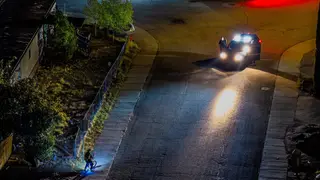
Small drones have become the most practical and widespread form of electric aviation, replacing fuel-burning aircraft for tasks like infrastructure inspection, wildfire mapping, and search and rescue at a fraction of the cost and emissions. These unmanned systems have saved lives and reduced environmental harm, including eliminating leaded aviation fuel use. The Trump administration is now moving to restrict them under a national security pretext, but critics argue the real motive is to enrich political associates.
The FCC's proposed rule, Public Notice DA 26-758, would revoke equipment authorizations and ban importation of foreign-made commercial drones, with definitions broad enough to encompass thermal cameras, LiDAR sensors, automated charging docks, and even coordinated light-show drones. The stated rationale is national security, though critics point to potential benefits for domestic political associates. Currently, small drones perform infrastructure inspection, wildfire mapping, and search-and-rescue missions that previously required helicopters burning 20–30 gallons of fuel per hour, including leaded aviation gasoline. These battery-powered aircraft draw less electricity than a blender and can be charged via off-grid solar, representing the most widespread practical application of electric aviation to date.
This restriction could significantly affect rural communities, utility workers, and emergency responders who have come to rely on affordable drone technology for life-saving operations. If implemented, the rule may raise costs and reduce access to critical inspection and mapping services, potentially forcing a return to more expensive, higher-emission manned aircraft. The outcome could also shape how broadly "military-grade" definitions are applied to civilian technology, with implications for innovation and small-business operations across multiple sectors.