Ukrainian leader orders surge in long-range attacks to 1,000 per day
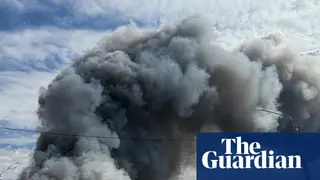
Ukrainian President Volodymyr Zelenskyy has directed the armed forces to raise daily long-range drone strikes against Russia to 1,000, up from roughly 300. The intensified attacks have reduced Russian gasoline output to about 70% of domestic consumption after refineries were hit. Meanwhile, Russian strikes have destroyed around 90% of food logistics infrastructure for Ukrainian retailers, according to Kyiv's agricultural minister.
The escalating drone campaign has directly constrained Russia's fuel supply, with refinery outages in Perm, Nizhny Novgorod, and Yaroslavl cutting gasoline output to roughly 70 percent of domestic need. Regional fuel shortages resurfaced in August after a brief late-July easing of sales restrictions. Separately, Russia's Rostov region has declared a state of emergency, citing port closures and navigation disruptions in the Azov-Black Sea basin that have left agricultural products piling up on farms.
On the Ukrainian side, agricultural minister Taras Vysotskyi offered a stark assessment: roughly 90 percent of food logistics operated by retail chains have been destroyed by Russian strikes, though he insisted Ukrainians will not go without food. Ukraine has nonetheless stockpiled 14.6 billion cubic metres of natural gas, which the energy minister said is sufficient for the baseline winter scenario.
The mutual targeting of fuel and food infrastructure could deepen civilian hardship on both sides as winter approaches. Ukrainian retailers face severe distribution challenges that may strain food access in urban areas, while Russian regions contend with fuel shortages that could disrupt harvest transport and heating. The conflict's fifth year shows economic infrastructure increasingly becoming a battlefield, potentially raising prices and reducing availability of essentials for ordinary citizens in both countries.