Dolly Parton's Original 'I Will Always Love You' Stands as a Quiet Declaration of Independence
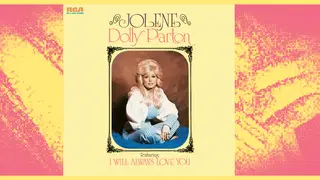
A retrospective look at Dolly Parton's 1974 recording highlights how the song served as a tactful assertion of freedom, written about her professional split from Porter Wagoner. Unlike later power-ballad covers, Parton's version is understated and intimate, blending devotion with a subtle claim to autonomy. The piece underscores the song's complexity as both a love song and a farewell.
The song originated from Parton's decision to end her professional partnership with Porter Wagoner, who had hired her as his television show's featured singer in 1967. Parton performed the song for Wagoner as a musical resignation letter, and he reportedly wept before agreeing to release her, on the condition that he produce the recording. The original version includes a spoken third verse and a distinctive vocal shift from a strong belt into a lighter head voice, elements that later covers omitted. The track served as the second single from her album "Jolene," reportedly written around the same period as the title song.
This retrospective may reframe public perception of a widely covered song, directing attention to its original context as a professional farewell rather than a romantic ballad. It could encourage listeners to explore Parton's broader catalog and the historical dynamics of female artists asserting creative control. The piece may also prompt renewed discussion of how understated performances can carry complex personal and professional meaning, potentially influencing how audiences interpret other familiar songs.