California's Plasticulture Problem: Farmers Seek Alternatives to Petroleum-Based Mulch
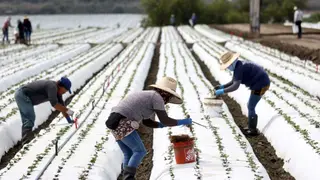
Farmers have used plastic mulch since the 1960s to boost yields, but now scientists and policymakers are grappling with the environmental costs, including microplastics in waterways and soil. Plastic production is expected to triple by 2060, and nearly all plastic is made from oil and gas, perpetuating fossil fuel demand. The California Marine Sanctuary Foundation is working with agricultural stakeholders to prevent plastic from draining into the ocean while retaining its benefits.
Agricultural plastics extend well beyond the visible mulch films blanketing fields. Drip irrigation tape, greenhouse covers, shade nets, and pesticide containers all contribute to the debris stream. Once fragmented, microplastics persist in soil and travel through runoff into waterways, joining the broader marine pollution crisis that scientists have tracked since the 1960s.
The scale is considerable. Global agricultural plastic use exceeds 12.5 million metric tons annually, a figure researchers suspect understates reality. With plastic production expected to triple by 2060 and nearly all plastic derived from fossil fuels, agriculture's plastic dependence ties food production directly to oil and gas extraction, complicating efforts to transition away from petroleum as other sectors shift toward renewable energy.
The push to reduce agricultural plastics could reshape farming practices across California and beyond. Growers who depend on plastic mulch for weed control and soil management may face higher costs or yield changes if alternatives prove less effective. Meanwhile, communities near agricultural regions could benefit from reduced microplastic contamination