Klamath River Sees Surge of Chinook Salmon Two Years After Dam Removal
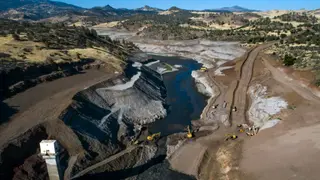
Over 20,000 chinook salmon have migrated up the Klamath River in the two years since the last dam was breached, many reaching historic spawning grounds. The biological response has been faster than expected, according to researchers. However, water allotments, remaining dams and drought conditions still pose challenges for full recovery.
The four dams removed were built by PacifiCorp in the early-to-mid 20th century for hydropower, blocking salmon passage and altering the river's hydrology by flooding naturally cold springs. Their removal restored natural flows, eliminating the warm, algae-prone reservoirs that had degraded water quality and contributed to the 2002 fish kill that claimed over 30,000 salmon.
That 2002 die-off, the largest in recorded history, galvanized a tribally led campaign that ultimately succeeded in breaching the final dam by fall 2024. However, the Bureau of Reclamation still operates two downstream dams as part of the Klamath Project, which allocates water among farmers, tribes, and fish—a balancing act that remains unresolved.
The salmon's return could restore a cornerstone of tribal cultural practice and regional ecological health, potentially strengthening Indigenous communities' connection to ancestral lands and traditional food sources. However, competing water demands among agriculture, tribes, and fish