U.S. and Venezuela Announce Landmark Oil Reserve Agreement
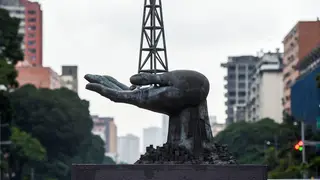
President Trump announced a deal granting the U.S. majority control of Venezuela's 65 billion barrels of proven oil reserves, calling it the biggest oil deal in history. Secretary of State Marco Rubio said the agreement would bring nearly $100 billion in private investment to Venezuela. The announcement comes amid rising gas prices linked to the ongoing war with Iran.
The agreement grants the U.S. majority control over Venezuela’s proven reserves, which the administration says more than doubles American oil holdings. Venezuela’s total crude deposits are estimated at 303 billion barrels, roughly 17% of global supply, yet current output is only about 1% due to deteriorated infrastructure. The deal follows January’s U.S. military capture of former President Nicolás Maduro, who faces U.S. drug charges. Interim President Delcy Rodriguez participated in negotiations, with Secretary Rubio projecting $100 billion in private investment and job creation for Venezuela.
The announcement arrives six months into the U.S.-Israel war with Iran, which has spiked domestic gas prices ahead of midterm elections. Trump framed the deal as taxpayer-free, relying on private partnerships. However, Venezuela’s dilapidated production capacity and political instability may limit near-term output, even with new investment. The agreement’s scale—65 billion barrels—would significantly alter global oil markets if realized, but operational and legal hurdles remain unaddressed in the announcement.
This deal could reshape energy geopolitics, potentially easing U.S. gas prices if Venezuelan production ramps up quickly, which may benefit consumers and the administration politically. However, it may also deepen tensions with other oil producers and raise concerns about resource sovereignty in Latin America. Venezuelans could see economic recovery, but the agreement’s legitimacy and long-term stability remain uncertain. The impact on global markets and regional diplomacy will likely unfold over years, affecting investors, workers, and international relations.