Floating nuclear reactors may first dock in California despite long-standing ban
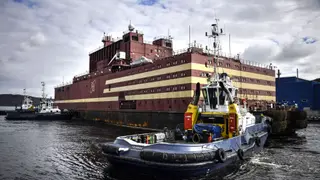
The Port of Long Beach has signed an agreement with the Trump administration to develop small modular reactors on floating barges, aiming to supply emission-free power to ports, data centers, and ships. Russia already operates a floating nuclear station in the Arctic, but analysts say commercial deployment is still years away due to regulatory and supply-chain hurdles. The technology could also help cut greenhouse gas emissions from maritime shipping, which accounts for about 3% of global emissions.
The federal push extends beyond Long Beach. MARAD recently announced a partnership with London-based Core Power to develop regulatory frameworks for nuclear-powered merchant vessels, while the U.S. and IAEA launched the ATLAS initiative to advance small modular reactor technology for shipping under strict safety and non-proliferation standards. Russia's floating station at Pevek, serving 4,000 residents, remains the only operational example.
Bluecore Energy, founded in January, raised $10 million in pre-seed funding and became the first nuclear company to partner with MARAD. CEO Kofi Asante, a 31-year-old Ghanaian-American with experience at Uber Freight and Elroy Air, aims to leverage maritime logistics expertise. Analysts note nuclear ships could refuel every two to three years rather than each voyage, though regulatory and supply-chain hurdles persist.
Floating nuclear reactors could reshape energy access for coastal communities, ports, and data centers while addressing shipping's 3% share of global emissions. California's involvement may test longstanding nuclear restrictions, potentially influencing public acceptance and regulatory precedent. Commercial deployment remains years away, but early momentum could accelerate investment in maritime nuclear infrastructure, affecting port operations, energy prices, and emissions reduction efforts. The technology's success may depend on safety demonstrations and supply-chain development, with implications for both domestic energy policy and international maritime standards.