Expert urges human oversight of AI translations to avoid misrepresenting China's policies
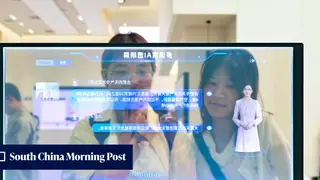
A Chinese scholar warns that AI translations of political messaging may sound more aggressive due to literal rendering, potentially harming China's image abroad. Li Yan, a professor at Xi'an Fanyi University, argues that human translators should refine AI output to preserve context and cultural nuance. She calls for strengthening China's translation capacity as a measure of cultural soft power and global governance participation.
Li Yan's commentary appeared in Chinese Social Sciences Today, a publication affiliated with the Chinese Academy of Social Sciences, signaling official attention to the issue. She specifically flagged risks including cultural misreadings, lapses in logic, and value-laden bias when AI processes China's political terminology for foreign audiences.
The professor frames translation capability as a component of cultural soft power and global governance participation, suggesting Beijing views language accuracy as strategically important. Her call for human refinement of AI output reflects broader concerns about how automated tools handle politically sensitive material, where literal rendering may strip away diplomatic nuance and make policy statements appear more confrontational than intended.
This debate could shape how international audiences perceive Chinese policy announcements, particularly in diplomatic and trade contexts where wording carries weight. If AI translations systematically harden Beijing's tone, foreign governments, media, and markets may misread intentions, potentially straining relations or prompting overreactions. Conversely, human oversight could preserve diplomatic subtleties, but may also raise questions about whether refinement veers into message control. The outcome may influence global standards for AI translation in political communication.