Chinese AI firms dominate video generation rankings thanks to local ecosystem and pricing
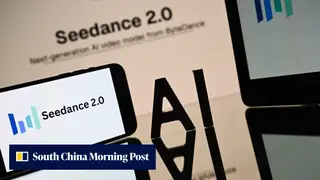
Chinese AI companies, including Alibaba, MiniMax, and ByteDance, now lead global benchmarks in AI video generation, occupying eight of the top ten positions on the Artificial Analysis platform. Analysts attribute this lead to vast short-video data, looser copyright rules, and aggressive pricing strategies. While US firms still lead in large language models, China's edge in video generation is reshaping the competitive landscape.
Chinese developers have secured eight of the top ten slots on Artificial Analysis' text-to-video leaderboard, with Alibaba's Wan 3.0 taking first place ahead of Google's Gemini Omni Flash. MiniMax's H3 model, both in original and post-trained forms, and ByteDance's Seedance 2.0 also rank prominently. The same Chinese models lead in image-to-video and video editing categories based on blind user comparisons.
Analysts point to China's massive short-video content libraries as proprietary training material, combined with more permissive copyright frameworks and lower pricing, as key advantages. This success comes despite US dominance in frontier large language models, suggesting video generation rewards different strengths than text-based AI.
This shift could reshape the global AI competitive landscape, potentially influencing which companies and nations control the next generation of visual content tools. Creators, marketers, and media producers worldwide may gain access to cheaper, higher-quality video generation options, while US firms could face pressure to adapt their strategies. The outcome may affect content authenticity standards and the economics of video production across industries, though the long-term implications remain uncertain.