Ex-NFL tight end's college comeback attempt tests NCAA's amateurism rules
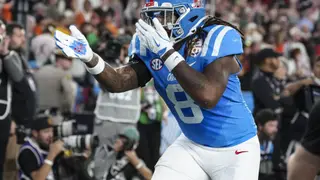
Dae'Quan Wright, recently waived by the Cleveland Browns, is seeking to rejoin LSU's football team. A court order has temporarily blocked the NCAA and conferences from enforcing rules that would bar him. The NCAA contends these legal decisions undermine the stability of college athletics.
Wright entered the transfer portal after securing a temporary restraining order in a lawsuit challenging NCAA eligibility rules, then agreed to rejoin his former coach Lane Kiffin at LSU. The SEC and Big Ten responded by adopting policies barring athletes with professional contracts from returning to college rosters, though a Dallas judge has blocked enforcement for Wright's group while the NCAA has won reversals in other cases.
The Senate Commerce Committee advanced the bipartisan Protect College Sports Act in June, which would create a federal framework for NIL agreements and eligibility standards. Sports historian Victoria Jackson notes college athletics now operate within a global economy where athletes move between developmental and professional systems, making the amateur-professional distinction increasingly artificial.
This case could reshape the boundaries between professional and college athletics, potentially opening the door for other former pros to return to campus rosters. If courts continue siding with athletes, the NCAA's enforcement power may erode further, affecting how conferences and universities manage rosters and compensation. Student-athletes could gain greater career flexibility, while schools may face new competitive pressures and legal uncertainty. The outcome may influence whether Congress steps in with federal legislation to stabilize the system.