Ukrainian sergeant says targeting equipment, not missiles, is the biggest shortfall for air defense
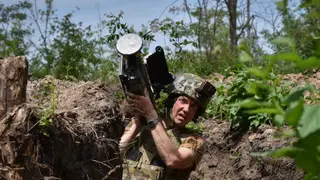
A Ukrainian air-defense sergeant reported that the most critical shortage is not the missiles themselves but the gear used to detect enemy targets. Teams rely on MANPADS to shoot down Russian drones and aircraft, but without batteries and targeting systems, they cannot operate effectively. This highlights a logistical bottleneck beyond just ammunition supply.
The sergeant’s account points to a deeper vulnerability in Ukraine’s air-defense network: even when shoulder-fired missiles are available, crews may lack the battery power and targeting optics needed to acquire and track incoming threats. Without those components, a launcher becomes inert, and Russian drones or aircraft can pass with less resistance. This suggests that supply-chain gaps extend beyond munitions to the supporting electronics that make them usable.
In the broader context of global trade and military logistics, such shortages reflect how precision equipment—often sourced from multiple countries—can become a critical chokepoint. For allied nations providing aid, ensuring interoperability and spare parts may be as important as delivering weapons themselves. The sergeant’s report underscores that battlefield effectiveness depends on the entire kill chain, not just the final projectile.
This report could reshape how defense planners and trading partners assess military aid packages. If targeting gear and batteries remain scarce, even well-supplied missile stockpiles may underperform, potentially prolonging the conflict and increasing civilian risk. Governments and suppliers may need to prioritize electronics and maintenance components, affecting procurement decisions and export controls. The impact could ripple through defense industries and allied budgets, though the exact scale depends on future logistics improvements.