HBCU graduate still burdened by loans two decades later, worries about children's college costs
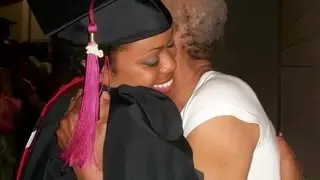
A graduate of Clark Atlanta University reflects on the lasting financial strain of student loans, which remain unpaid 20 years after graduation. The debt has shaped her perspective on higher education and raises concerns about whether her children will face similar challenges. She is reconsidering how to approach college funding for her family.
Two decades after graduating from Clark Atlanta University, a graduate still carries unpaid student debt, a burden that has reshaped how she views the value of higher education. The lingering financial obligation now influences her worries about her own children’s future college expenses, prompting her to reconsider how to approach funding their education. Her experience reflects a broader pattern where long-term loan repayment can overshadow the economic benefits of a degree, especially for graduates from historically Black colleges and universities. Without additional details, the story highlights the intergenerational weight of education costs, as parents’ financial struggles may shape their children’s academic and financial choices.
This story could resonate with millions of borrowers who face decades-long repayment, particularly those from minority-serving institutions. It may influence family decisions about college affordability, savings strategies, or alternative pathways like trade schools. The personal account could also add emotional weight to ongoing public debates about student debt relief, though its impact depends on how widely the story is shared. Parents in similar situations may feel validated, while policymakers might see a concrete example of systemic financial strain, potentially prompting discussions about institutional support or loan reform.