Polyester's Fall from Favor: Gen Z's Environmental Backlash
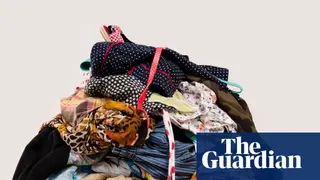
Polyester, the most widely produced synthetic fiber, is facing a consumer revolt, particularly among younger generations who view it as cheap and environmentally damaging. The material sheds microplastics and contains chemicals that can leach into skin, raising health concerns. This backlash has turned 'polyester' into a slang insult on social media, reflecting broader dissatisfaction with fast fashion.
Polyester's dominance stems from its fossil-fuel origins and near-indestructibility, making it cheap to produce but slow to break down in landfills. Scientific studies cited in the backlash point to chemical additives—including dyes, flame retardants, and moisture-wicking treatments—that may transfer to skin through sweat, particularly during exercise. The fabric also releases microplastic fibers with each wash, contributing to ocean pollution.
The retail world has taken notice. Gap's premium Studio line faced customer fury when "knitted" sweaters arrived as printed polyester garments, with shoppers describing the feel as "a sheet of plastic." Meanwhile, the USDA's Plant Not Plastic campaign frames cotton as a patriotic alternative, positioning American farmers against what it calls a "flood of cheap synthetic products."
This backlash could reshape purchasing habits and manufacturing priorities, particularly if major retailers respond to Gen Z's vocal preferences for natural fibers. Brands may face pressure to disclose fabric sourcing more transparently, potentially accelerating shifts toward cotton, linen, and other biodegradable materials. However, affordability constraints may limit consumer choice, as natural fibers typically cost more—meaning the movement could deepen divides between those who can afford sustainable options and those who cannot.