U.S. and Iran Stuck in a War Neither Side Knows How to End
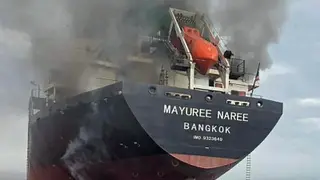
Six months into the conflict, both Washington and Tehran lack a clear exit strategy, with each side clinging to unrealistic expectations about the other's willingness to concede. The war has caused thousands of Iranian deaths, wounded over 750 U.S. service members, and devastated Iran's economy. Negotiations have stalled, and the Pentagon is now focused on protecting oil shipments through the Strait of Hormuz, though traffic remains a fraction of pre-war levels.
The conflict, now in its sixth month, has produced staggering costs on both sides. Iran has suffered thousands of civilian and military deaths from coalition strikes, while its economy continues to deteriorate under the combined weight of long-standing sanctions and active warfare. The United States has sustained 18 service members killed and more than 750 wounded, with military operations in the region costing tens of billions of dollars.
The Pentagon's current priority is safeguarding oil shipments through the Strait of Hormuz, yet maritime traffic remains a small fraction of pre-war volume. Negotiations brokered by third parties have repeatedly failed, as mutual distrust runs deep. Iran's military has been severely weakened, but experts note the country retains capacity for asymmetric operations abroad, including cyberattacks, sabotage, and potential terror attacks targeting Western interests, with the IRGC maintaining dedicated departments for foreign operations.
This prolonged conflict could have far-reaching effects beyond the battlefield. Global oil markets may face sustained volatility if Hormuz traffic remains depressed, potentially raising energy costs for consumers worldwide. The high U.S. casualty count and financial expenditure could shape public opinion and political discourse, while Iran's capacity for asymmetric retaliation may heighten security concerns for Western nations. The stalled diplomacy suggests the conflict could persist, with consequences for regional stability and international relations that may extend well beyond the immediate combatants.