Mara secures $7M to deploy backpack-sized drone interceptors against FPV threats
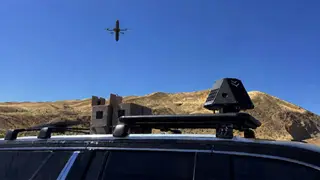
San Francisco-based defense startup Mara has raised $7 million in pre-seed funding to develop Spike, a backpack-portable counter-drone system. The system uses lightweight autonomous interceptors called Seekers, each weighing 8.8 ounces, designed to cost about the same as the FPV attack drones they neutralize. Mara claims its interceptors are 20 times cheaper than existing alternatives and can engage targets up to a mile away.
Mara's Spike system addresses a specific battlefield problem: FPV drones that operate without radio signals, using fiber-optic cables or onboard autonomy, evade traditional jamming and RF detection. The company's Seekers instead rely on sensor fusion through the Spotter unit, which combines optical, acoustic, and optional radar tracking to locate threats that emit no control signal. The system's cost model deliberately mirrors the economics of the attack drones themselves, aiming for near-parity per interception rather than the premium pricing typical of military countermeasures.
The startup has already gained institutional traction, joining NATO's DIANA accelerator and holding research agreements with three U.S. defense organizations. A civilian trial at a South Korean port and frontline testing by Ukrainian forces, where Spotter tracked FPV drones from roughly 25 miles away, suggest the technology has moved beyond concept stage. Mara's first paid order comes from a European NATO member, with ground-mounted units expected by late 2026 and vehicle and man-portable versions slated for 2027.
This system could reshape how militaries and security forces approach drone defense, particularly for small units operating without heavy equipment. If Mara's cost claims hold, it may enable broader adoption of counter-drone capabilities among nations and organizations that cannot afford multimillion-dollar systems. The technology also raises questions about autonomous weapons engagement, though human oversight remains in the loop. Civilian applications, such as port security, may benefit from affordable drone interception, but widespread deployment of autonomous interceptors could introduce new risks around accidental engagements or escalation in contested airspace.