Iran's leadership tightens around hardliners amid prolonged conflict
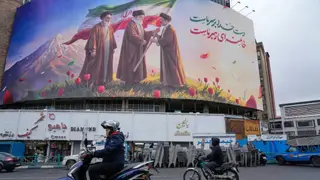
Six months into the war, Iran's ruling circle has shifted decisively toward military and clerical hardliners, who are preparing for a long confrontation with the U.S. and prioritizing suppression of domestic unrest. New appointments signal a crackdown on dissent, while the supreme leader remains out of public view. Despite the consolidation, internal disagreements persist over the nation's strategic direction.
The recent decrees place veterans of the Revolutionary Guard's formative era in command of both security and military institutions. Rezaei, who led the Guard through the Iran-Iraq war, now oversees national security strategy, while Taeb's appointment to the Basij signals priority on domestic control. Both men share decades of operational history with the new supreme leader's inner circle.
Khamenei's continued absence from public view since the strikes that killed his father raises questions about his condition and authority during a critical transition. Analysts note the appointments emphasize internal cohesion, though moderates caution that economic vulnerabilities may limit Iran's capacity for escalation despite the hardline posture.
This leadership consolidation could reshape regional dynamics and global energy markets, given explicit threats to halt Persian Gulf oil exports. Iranian citizens may face intensified domestic surveillance and suppression as economic hardship deepens under sanctions. International businesses and trading partners could experience supply chain disruptions. The hardline stance may prolong U.S.-Iran confrontation, potentially affecting global trade stability and energy prices for consumers worldwide.