Russian schools intensify military training for teens amid Ukraine war
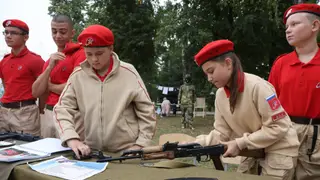
Russia's education ministry has revamped a civics course to include extensive military training for students as young as 13. The curriculum covers weapons, combat medicine, and survival skills, part of a broader effort to prepare future recruits. Critics say it romanticizes war and devalues life, while the country seeks hundreds of thousands of new soldiers annually.
The revamped course, titled "Fundamentals of Security and Defense of the Motherland," devotes half its weekly sessions to hands-on military instruction. Students learn weapons identification, battlefield medicine, mine safety, and survival techniques, with lessons also covering national security doctrine and armed forces structure. The curriculum marks a significant escalation from earlier high school electives that touched on similar topics.
School-based war engagement is already widespread, with surveys indicating 95% of schools hold events tied to the Ukraine conflict and over 80% bring combat veterans to address students. This mirrors Soviet-era compulsory training, though critics note the earlier system emphasized peace propaganda alongside readiness, whereas today's approach centers on militarism and sacrifice.
This curriculum shift could normalize military service as a routine life stage for Russian teenagers, potentially easing recruitment pressures over time. Students exposed to war veterans and weapons training may develop stronger acceptance of state narratives, while those who resist could face social or academic consequences. The long-term societal impact may include a generation more comfortable with conflict, though the full effects on public opinion and conscription rates remain uncertain.