Trump's use of 1930 tariff law raises legal uncertainty in Canada trade dispute
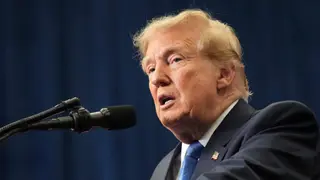
President Trump invoked Section 338 of the Tariff Act of 1930 to impose 50% tariffs on $20 billion of Canadian imports, a never-used provision. Legal experts say the law is untested and may be obsolete, leaving the tariffs vulnerable to challenge. Canada has retaliated, escalating tensions between the allies.
Section 338 dates to the Smoot-Hawley Act, a Depression-era law widely blamed for worsening the global economic collapse by choking off international commerce. Though presidents considered invoking it against Spain in 1932 and Communist China in 1949, neither followed through, leaving the provision dormant for nearly a century. The statute grants the president authority to impose tariffs up to 50% on nations deemed discriminatory toward American businesses.
Legal observers note that subsequent legislation, including the Trade Expansion Act of 1962 and the Trade Act of 1974, imposed procedural requirements and narrower justifications for presidential tariff powers. Because Section 338 carries no such guardrails and has never been tested in court, its legal standing remains uncertain, with some experts arguing newer laws effectively superseded it.
This dispute could set a significant precedent for executive trade authority. If the tariffs withstand legal scrutiny, future presidents may wield untested Depression-era statutes to bypass modern procedural safeguards, affecting businesses that rely on predictable trade rules. Canadian exporters and U.S. industries dependent on cross-border supply chains may face immediate cost pressures. Conversely, a successful challenge could constrain presidential power and reinforce congressional oversight of trade policy. The outcome may influence how allies approach negotiations with the U.S., potentially reshaping diplomatic and commercial relationships beyond this single dispute.