How Media Literacy Can Reshape Our Understanding of Food Systems
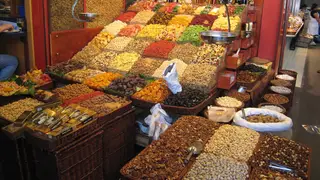
A new special issue from the Media Education Lab at the University of Rhode Island explores food through the lens of ecomedia literacy, examining how media messages shape perceptions of food systems. The author, a longtime MEL fellow, reflects on her own upbringing and the need to critically analyze the credibility and emotional impact of food-related media. The publication invites multiple writers to contribute essays on this intersection of ecology, education, and media interpretation.
The special issue, titled "What's for Dinner? Food as an Ecomedia Literacy Inquiry," represents a collaboration between the Media Education Lab and multiple food-systems writers, with four additional essays scheduled for release following this opening piece. The author's personal history traces a shift from a post-World War II diet of processed foods to environmental advocacy, influenced by works like Rachel Carson's *Silent Spring*.
The article highlights that Big Agriculture contributes roughly 25% of human-caused greenhouse gas emissions through fossil-fuel-powered machinery, fertilizer production, and livestock methane. It also notes that the meat-processing industry historically denied links between chemical additives and cancer, and that mainstream media coverage frequently omits livestock production as a climate-change driver.
This publication could help consumers recognize how marketing shapes their food choices and environmental understanding. By applying media literacy frameworks to food messaging, readers may become more critical of industry narratives and better equipped to connect dietary habits with climate impacts. Educators and journalists could find new tools for discussing food systems, potentially influencing public discourse around sustainable eating and agricultural policy.