SpaceX completes full-duration static fire of Super Heavy for upcoming orbital Starship flight
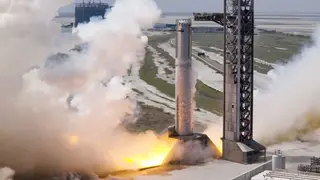
SpaceX conducted a full-duration static fire of all 33 Super Heavy engines on Aug. 28 at Starbase in South Texas. Flight 14 will be Starship's first orbital attempt, also deploying V3 Starlink satellites. A previous suborbital deployment of V3 Starlinks on Flight 13 ended with the satellites crashing back to Earth.
The static fire clears a major preflight hurdle for Flight 14, which SpaceX targets for mid-September. The booster's 33 Raptor engines burned for the full duration, following last week's six-engine test of the Ship upper stage. This flight marks the first orbital attempt for the vehicle.
Flight 14 also carries operational stakes: Ship will deploy a batch of next-generation V3 Starlink satellites. The previous flight's suborbital deployment of 20 V3 satellites ended with them crashing back to Earth. The megarocket's design emphasizes full and rapid reusability for both stages, and NASA has selected Ship as a crewed lunar lander for its Artemis program.
This orbital attempt could validate Starship's core reusability concept, potentially lowering launch costs and accelerating satellite deployment. Success may strengthen NASA's Artemis timeline, since the agency depends on Ship for lunar