Cities report fewer crashes after installing speed-aware traffic signals that favor compliant drivers
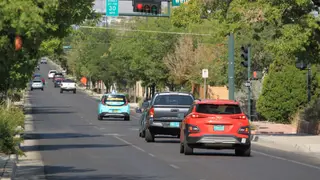
Albuquerque and Portland have deployed traffic signals that detect vehicle speed and give faster green lights to drivers obeying the limit. The approach, known as 'rest in red,' has cut average speeds and crash rates on tested corridors. Officials credit the system for a dramatic drop in injuries and property damage.
The rest in red concept builds on a longer traffic engineering tradition where signals default to red until a vehicle approaches. Albuquerque's version adds speed sensors that reward compliant drivers with earlier green lights, while Portland's deployment on Powell Boulevard operates during late-night hours. Both cities pair the approach with existing speed cameras, creating a combined enforcement and incentive system.
Oregon State University researchers are evaluating Portland's system, examining whether speed compliance gains might be offset by increased red-light running. The National Motorists Association questions whether drivers will understand the system without education campaigns. Other cities including Boulder and Long Beach have attempted smaller versions, while Los Angeles briefly experimented with the approach.
This approach could reshape how cities manage speeding without relying solely on punitive measures. Drivers who comply may experience smoother commutes, while habitual speeders may face more stops and frustration. If proven effective through ongoing research, rest in red