Missouri Declares Itself 1960 National Champion, Decades Later
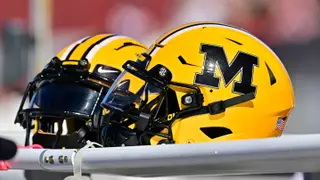
Missouri has retroactively claimed the 1960 national championship, citing a Congressional resolution and the Poling System, an NCAA-recognized selector. The Tigers finished 11-0 after a forfeit by Kansas, and athletic director Laird Veatch announced the honor. The team had previously been overshadowed by Oklahoma in the Big Eight.
Missouri's claim rests on the Poling System, a mathematical ranking created by former Ohio Wesleyan player Richard Poling, which the NCAA recognizes as a legitimate selector for the 1924–84 era. The Tigers' case was bolstered when Kansas forfeited their Border War meeting after fielding halfback Bert Coan, who was ineligible, leaving Missouri with a perfect 11–0 record.
The team's path included a road victory over Oklahoma, ending the Sooners' decade of Big Eight dominance, and a win against Navy in the Orange Bowl attended by President-Elect John F. Kennedy. Minnesota, Iowa, Ole Miss, and Washington also hold varying claims to the 1960 title, with Minnesota recognized by the AP and other major selectors.
This retroactive championship could influence how universities approach historical recognition, potentially encouraging other schools to revisit past seasons using obscure selectors. It may also spark debate among fans and historians about the legitimacy of modern title claims, while giving Missouri a recruiting and branding boost. The story highlights how college football's decentralized championship history allows institutions to shape their own narratives, which could affect how future generations understand the sport's legacy.