North Carolina Health Officials Urge Rabies Precautions After Infected Goats at Petting Zoo
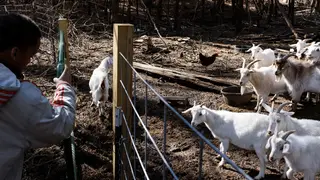
Four baby goats from a mobile petting zoo in North Carolina have tested positive for rabies and were euthanized. The state health department is asking anyone who had contact with the animals between July 28 and Thursday to contact officials for possible treatment. The goats were too young for vaccination and had been bitten by a skunk.
The infected goats were part of a mobile petting zoo operation that traveled across multiple counties, hosting events with children and elderly attendees. State officials stress that rabies is nearly always fatal without preventive treatment, though North Carolina has recorded no human cases since 2011. The animals were too young for vaccination and had been bitten by a skunk discovered in their pen, with the zoo unaware of the exposure until after the first goat died. The CDC notes skunks are frequent rabies carriers, and roughly 100,000 Americans receive post-exposure vaccines annually.
The zoo has euthanized the four goats and is monitoring remaining animals, cooperating with state agriculture and animal control authorities. Officials urge anyone who had contact with the goats between July 28 and Thursday to seek evaluation, as early symptoms—flulike illness, weakness, fever, headache, or tingling—may take weeks to appear. The zoo’s Facebook response expressed concern for customers, stating it never intended to endanger anyone.
This incident could heighten public anxiety about petting zoos and animal exhibits, particularly for families with young children and elderly visitors who are most vulnerable to zoonotic diseases. It may prompt stricter state oversight of mobile animal attractions, including vaccination requirements and pen security. While rabies remains rare in humans, the potential for fatal outcomes underscores the importance of rapid reporting and post-exposure care. The case could also influence how similar venues communicate risks and handle animal health incidents, fostering greater transparency but possibly reducing attendance at such events.